
How AI-Driven Ads are Revolutionizing Online Advertising
Introduction to AI-Driven Advertising
In the rapidly evolving digital landscape, AI-driven ads have emerged as a transformative force in online advertising. By leveraging artificial intelligence, businesses can now create more personalized, efficient, and effective ad campaigns that resonate with their target audiences. This shift is not just a trend but a significant leap forward in how advertising is conceptualized and executed.
The primary advantage of AI in advertising lies in its ability to analyze vast amounts of data swiftly and accurately. This capability enables advertisers to understand consumer behavior at an unprecedented level, paving the way for more customized ad experiences.
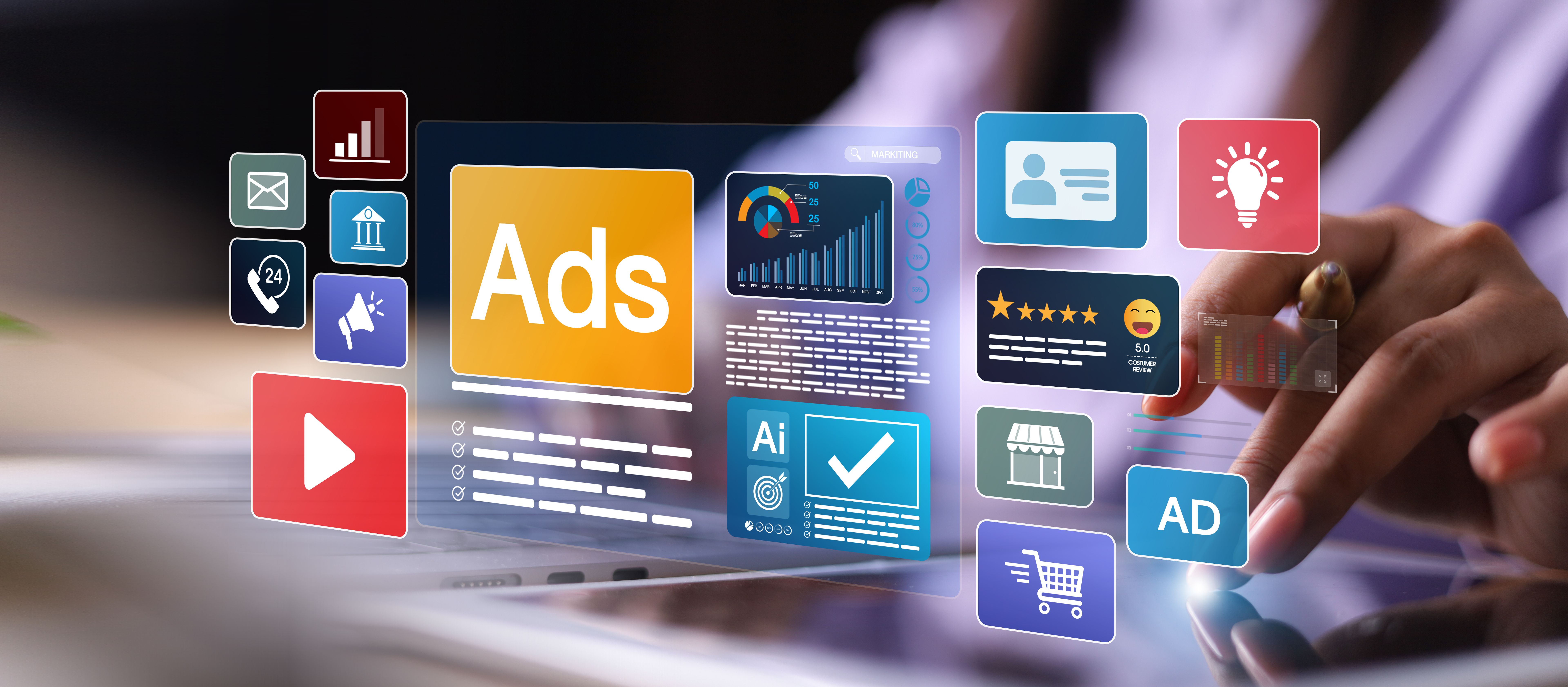
Enhanced Targeting and Personalization
One of the standout features of AI-driven ads is enhanced targeting. AI algorithms can analyze user data such as browsing history, purchase behavior, and social media activity to create detailed consumer profiles. This allows advertisers to deliver highly personalized content that aligns with individual interests and needs.
Personalization in advertising not only improves user engagement but also boosts conversion rates. By delivering relevant ads, businesses can foster a more meaningful connection with their audience, leading to increased brand loyalty and customer retention.

Real-Time Adaptation
AI-driven ads excel in real-time adaptation. Unlike traditional advertising methods, AI systems can adjust campaigns on the fly based on real-time performance data. If an ad isn’t performing well, AI can automatically modify it or allocate the budget to a more successful campaign. This flexibility ensures optimal resource utilization and maximizes return on investment.
Cost Efficiency and Resource Optimization
AI-driven advertising also offers significant cost savings. By automating processes such as ad placement, bidding, and performance analysis, businesses can reduce the time and resources spent on managing campaigns. This not only lowers operational costs but also allows marketing teams to focus on strategic planning and creative development.
Moreover, AI can optimize ad spend by identifying the most effective channels and times for ad placement, ensuring that every dollar spent contributes to reaching the campaign’s objectives.

Predictive Analytics for Future Campaigns
Predictive analytics is another powerful tool offered by AI-driven ads. By analyzing historical data and current trends, AI can forecast future consumer behaviors and preferences. This foresight allows businesses to craft proactive strategies that anticipate market changes and maintain a competitive edge.
Challenges and Considerations
Despite the numerous advantages, integrating AI into advertising comes with its own set of challenges. Privacy concerns are at the forefront, as the use of personal data for ad targeting raises ethical questions. Businesses must navigate these issues by ensuring transparency and compliance with data protection regulations.
Additionally, while AI can significantly enhance advertising efforts, it should not replace the human touch. Creativity and emotional intelligence remain crucial in crafting messages that genuinely resonate with audiences.

Conclusion
AI-driven ads are undoubtedly revolutionizing the online advertising landscape by offering enhanced targeting, personalization, and efficiency. As technology continues to advance, the integration of AI in advertising will likely become even more sophisticated, pushing the boundaries of what is possible in digital marketing. Businesses that embrace this innovation stand to gain a significant competitive advantage in an increasingly digital world.