
AI vs. Traditional Marketing: Which is Right for Your Business?
Understanding AI Marketing
In today's rapidly evolving digital landscape, AI marketing is becoming a popular choice for businesses looking to enhance their marketing strategies. By leveraging artificial intelligence, companies can analyze large datasets, predict consumer behavior, and automate tasks that previously required human intervention.
AI tools can optimize various aspects of marketing, from targeted advertising to customer service. They offer precise insights into consumer preferences, enabling businesses to deliver personalized experiences. This level of customization can significantly improve engagement and conversion rates.

The Benefits of Traditional Marketing
Despite the rise of AI, traditional marketing methods still hold value. Techniques such as print advertising, direct mail, and face-to-face networking foster personal connections and brand loyalty. These methods can be particularly effective for local businesses or industries where personal relationships are crucial.
Traditional marketing provides a tangible experience that digital methods often lack. For instance, a well-designed brochure or a memorable TV commercial can leave a lasting impression on potential customers.
Comparing Costs and Resources
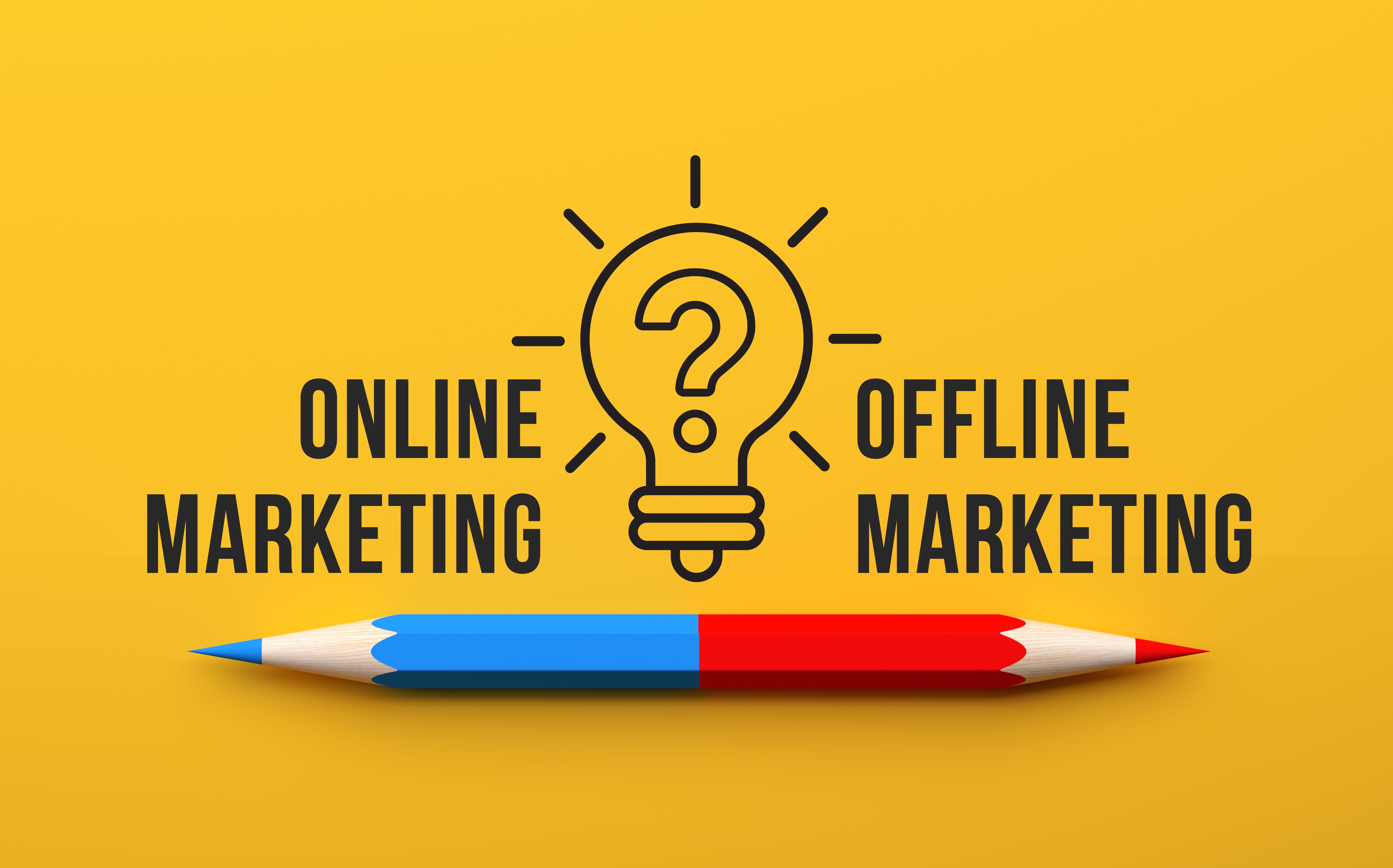
One of the primary considerations when choosing between AI and traditional marketing is cost. AI marketing tools often require an upfront investment and ongoing maintenance fees. However, they can save money in the long run by automating tasks and providing data-driven insights that reduce waste.
Traditional marketing methods, on the other hand, may have lower initial costs but can require significant resources and time for execution. It's essential to balance these factors based on your business's budget and goals.
Integration and Adaptability
AI marketing offers seamless integration with various digital platforms, making it adaptable to changing market trends. Businesses can quickly adjust their campaigns based on real-time analytics and feedback, ensuring they stay relevant in a competitive environment.
Conversely, traditional marketing may lack this flexibility, as campaigns often require longer lead times and cannot be easily modified once launched. This rigidity can be a disadvantage in fast-paced industries.
Which Approach is Right for You?
Deciding between AI and traditional marketing depends on your business's specific needs and goals. Consider the following factors when making your choice:
- Target Audience: Are they more likely to engage with digital content or traditional media?
- Budget: Do you have the resources to invest in AI tools, or is traditional marketing more cost-effective?
- Goals: Are you looking to build personal relationships or reach a broader audience?
Ultimately, the best strategy may involve a combination of both approaches, leveraging the strengths of each to maximize impact.
Conclusion
In the debate between AI and traditional marketing, there is no one-size-fits-all answer. Each approach offers unique advantages that can benefit different types of businesses. By carefully evaluating your needs and resources, you can make an informed decision that aligns with your marketing objectives.

Whether you choose AI, traditional methods, or a mix of both, the key is to stay adaptable and responsive to the ever-changing marketing landscape. This flexibility will help ensure your business remains competitive and successful in the long run.