
AI-Driven Ads vs. Traditional Ads: Which is Right for Your Business?
Understanding AI-Driven Advertising
In today's fast-paced digital landscape, AI-driven advertising is becoming increasingly popular among businesses looking to enhance their marketing strategies. These ads leverage machine learning algorithms to analyze and predict consumer behavior, allowing for personalized targeting. By utilizing AI, businesses can deliver highly relevant content to potential customers, improving engagement and conversion rates.

The key advantage of AI-driven ads is their ability to continuously learn and adapt. These systems can automatically adjust ad placements, optimize bidding strategies, and refine targeting parameters based on real-time data. This not only saves time but also maximizes return on investment by ensuring ads reach the right audience at the right moment.
The Traditional Advertising Approach
Traditional advertising, on the other hand, encompasses classic methods such as print ads, television commercials, and radio spots. These techniques rely on broad audience segments and are often used to build brand awareness rather than target specific consumer groups. Traditional ads can be effective in reaching a wide audience and establishing a strong brand presence.
However, one of the limitations of traditional advertising is the difficulty in precisely measuring its impact. Unlike AI-driven ads, traditional methods typically lack the ability to track detailed consumer interactions, making it challenging to assess the effectiveness of a campaign.
Comparing Cost and Efficiency
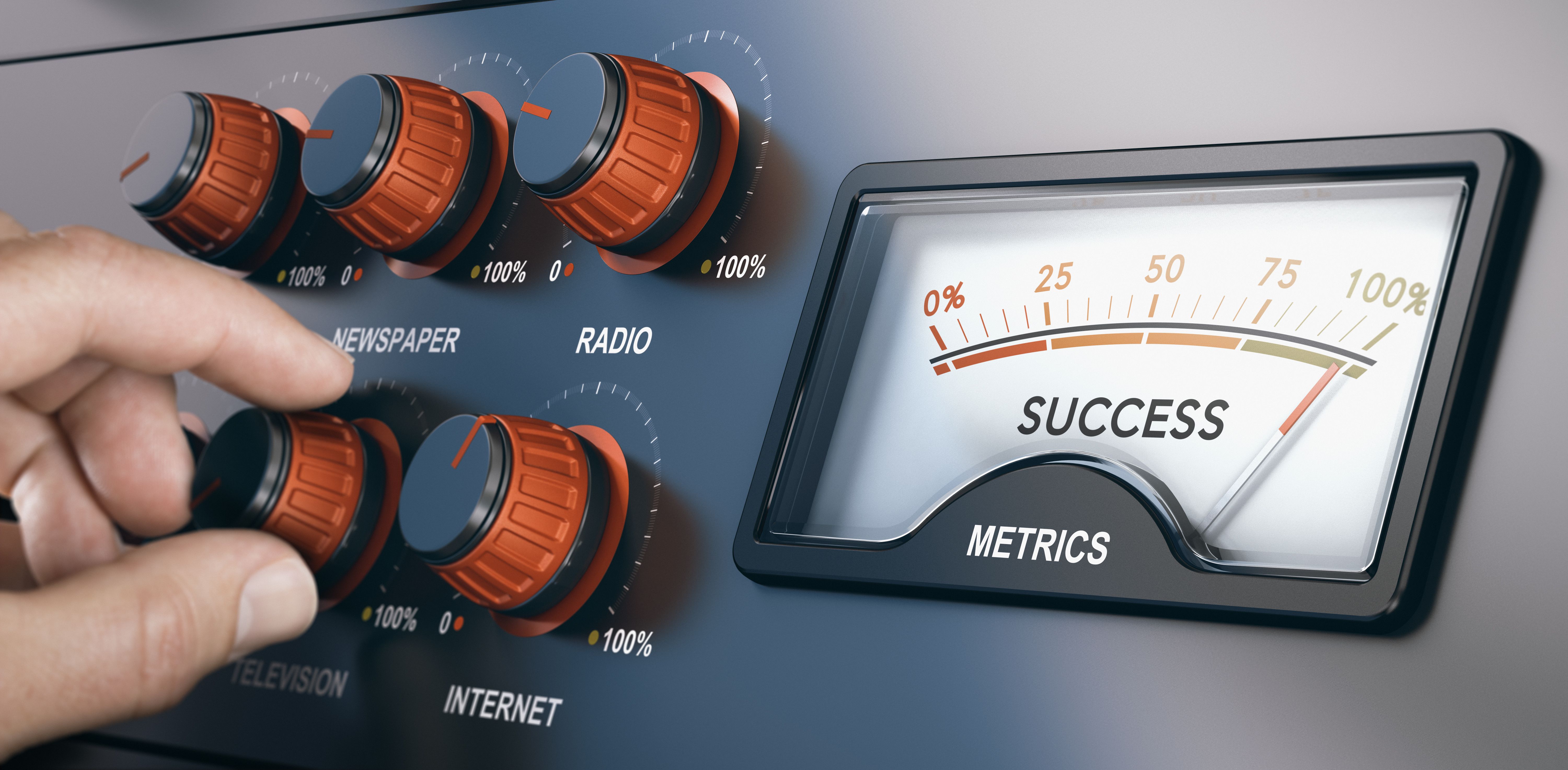
When it comes to cost and efficiency, AI-driven ads often provide a more economical solution. By automating many aspects of the advertising process, these campaigns can be more cost-effective over time. The ability to target specific demographics also reduces wasted ad spend, as businesses are less likely to pay for impressions that do not lead to conversions.
In contrast, traditional ads may require higher upfront costs due to production expenses and media buying. While they can reach a broad audience, the lack of precise targeting can result in higher overall costs per conversion.
Choosing the Right Strategy for Your Business
Deciding between AI-driven and traditional advertising depends on your business goals, target audience, and budget. For businesses looking to reach a specific demographic with personalized messaging, AI-driven ads are likely the better choice. These ads offer more flexibility and measurable results, which can be crucial for data-driven decision-making.

On the other hand, if your goal is to build brand recognition on a larger scale, traditional advertising can be a valuable tool. It provides a broad reach and can effectively convey your brand message to a wide audience.
Integrating Both Strategies
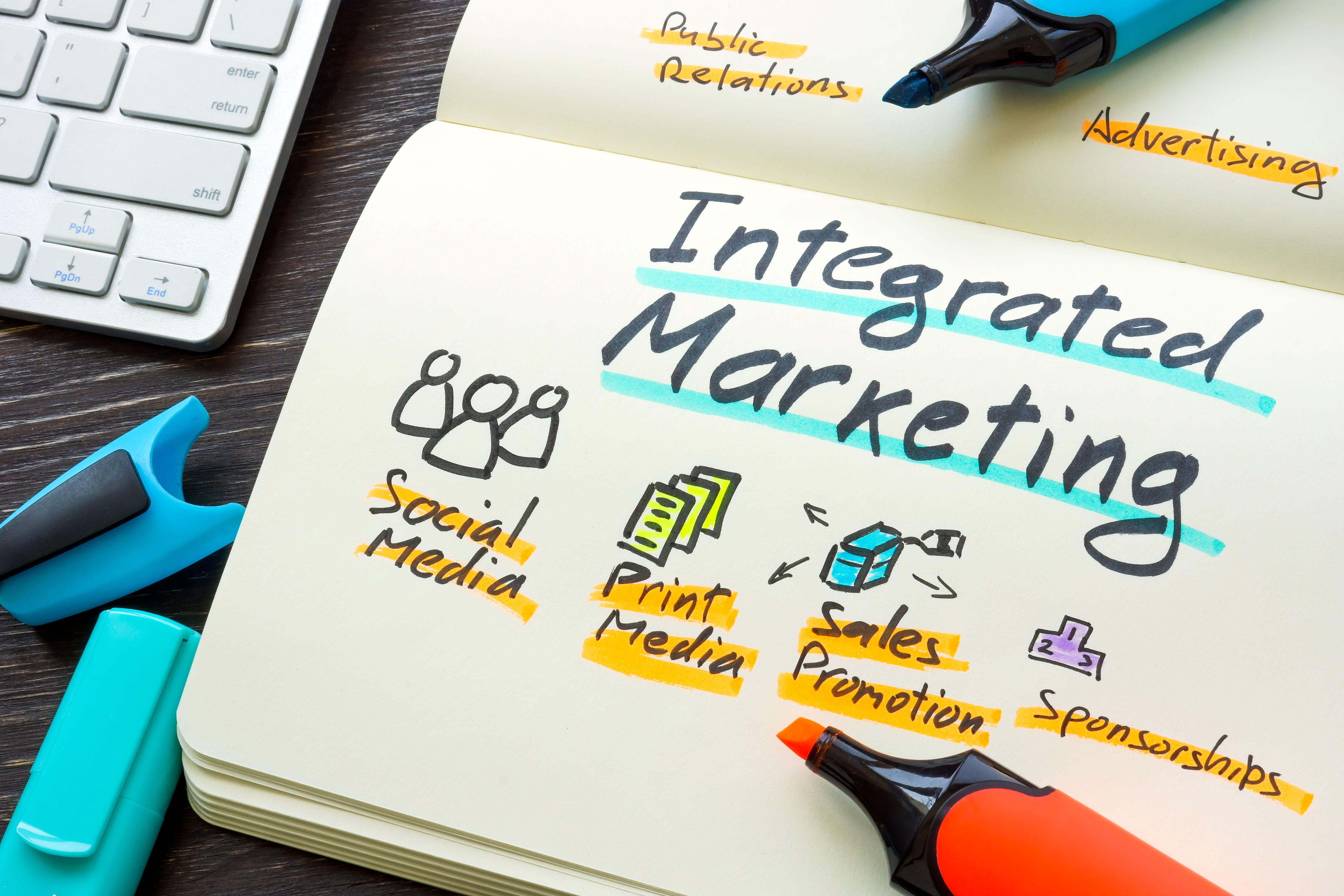
Many successful businesses find that a combination of both AI-driven and traditional advertising works best. By integrating these strategies, you can leverage the benefits of each approach. For instance, you might use traditional ads to establish brand identity and AI-driven ads to engage specific audience segments with personalized offers.
Combining these methods allows for a comprehensive marketing strategy that maximizes reach and precision. It ensures that you are not only spreading awareness but also driving meaningful interactions with potential customers.
Conclusion
In the evolving world of advertising, both AI-driven and traditional ads have their place. Evaluating your business needs and objectives will help determine the right mix for your campaigns. By understanding the strengths and limitations of each approach, you can create an effective advertising strategy that aligns with your goals and resonates with your audience.