
A Comprehensive Guide to Building an AI-Enhanced E-commerce Website
Understanding AI in E-commerce
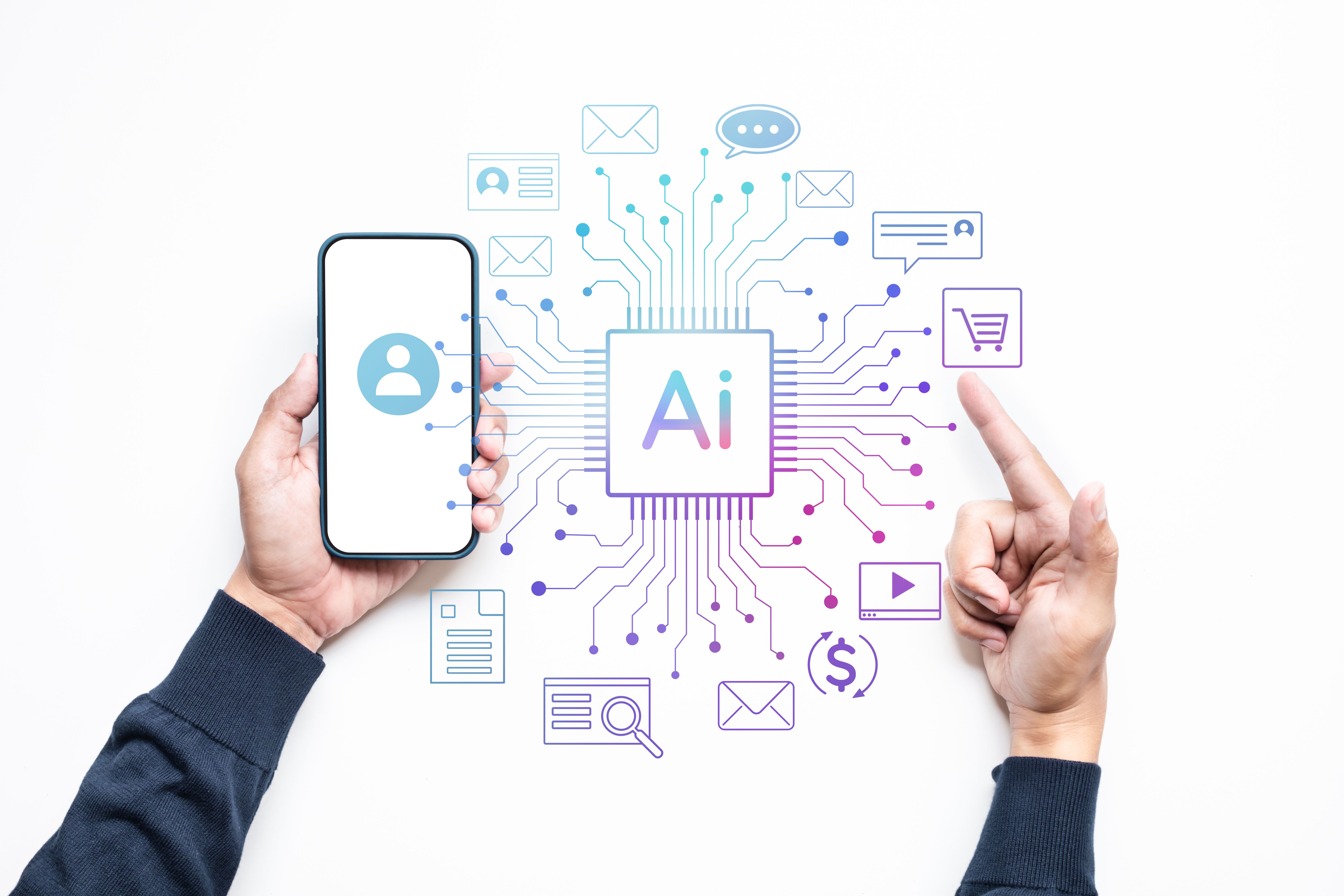
The integration of Artificial Intelligence (AI) into e-commerce has revolutionized the way businesses operate online. By leveraging AI, businesses can enhance customer experiences, streamline operations, and increase sales. Whether it's through personalized recommendations or intelligent search capabilities, AI offers a variety of tools that can transform an e-commerce platform into a dynamic, user-friendly marketplace.

Personalization and Customer Experience
One of the most significant advantages of AI in e-commerce is its ability to personalize customer experiences. AI algorithms analyze customer data to understand preferences and behaviors, offering tailored product recommendations. This personalization not only improves customer satisfaction but also boosts conversion rates as shoppers are more likely to purchase items that resonate with their interests.
Additionally, AI-powered chatbots play a crucial role in enhancing customer service. These virtual assistants provide instant support, answer queries, and guide users through the purchasing process, all while learning from interactions to offer better assistance over time.
Optimizing Operations with AI
AI technology also streamlines e-commerce operations, making them more efficient. Inventory management is greatly improved with AI's predictive analytics, which help businesses anticipate demand and restock accordingly, reducing overhead costs and preventing stockouts. Furthermore, AI-powered pricing tools can adjust prices dynamically based on market trends, competition, and consumer behavior, ensuring competitive pricing strategies.

Enhancing Search and Discovery
Search functionality is critical for any e-commerce website. AI enhances search capabilities by using natural language processing (NLP) to understand user queries better and deliver more accurate results. Visual search technology, another AI innovation, allows users to upload images of products they are interested in, making it easier to find similar items within an online store.
This smart search capability not only improves user satisfaction but also increases the likelihood of conversions as customers can easily find the products they desire.
Implementing AI into Your E-commerce Platform
Building an AI-enhanced e-commerce website involves several key steps:
- Assess Your Needs: Identify specific areas where AI can add value to your business, such as personalization, search optimization, or inventory management.
- Select the Right Tools: Choose AI solutions that align with your business goals. Many platforms offer integrated AI services tailored for e-commerce needs.
- Integrate and Test: Implement the AI tools into your website and conduct thorough testing to ensure seamless operation and customer experience.
- Monitor and Update: Continuously monitor the performance of AI tools and update them regularly to adapt to changing business dynamics and consumer trends.
The Future of AI in E-commerce
The future of e-commerce is undeniably intertwined with AI advancements. As AI technology continues to evolve, we can expect even more sophisticated tools that further blur the lines between online and offline shopping experiences. Emerging technologies like augmented reality (AR) and virtual reality (VR), powered by AI, are set to offer immersive shopping experiences that engage customers in unprecedented ways.
By staying ahead of the curve and embracing these technologies early on, businesses can position themselves as leaders in the competitive e-commerce landscape.
Conclusion
Building an AI-enhanced e-commerce website is not just about adopting the latest technology; it's about creating a streamlined, personalized shopping experience that meets modern consumer expectations. By leveraging AI effectively, businesses can transform their operations, optimize customer interactions, and ultimately drive growth in the digital marketplace.